
Taking Control of Fibroids Naturally: A Compassionate, Evidence-Based Guide to Real Relief

Diet, herbs, stress management, and knowing when to call your doctor — everything you need in one place.
7 min read · Women's Health
If you've been diagnosed with fibroids, you already know the weight of that word. The bloating, the heavy periods, the pressure in your pelvis — it can feel like your body is working against you. But here's what we want you to know: you are not powerless.
Fibroids affect up to 70–80% of women by age 50, making them one of the most common reproductive health challenges women face. And while they can be deeply disruptive, there are evidence-informed natural approaches that can help manage symptoms, support hormonal health, and help you feel more like yourself again.
This guide isn't about replacing your doctor. It's about giving you real, research-backed tools to stand alongside your medical care.
Related reads:
- Herbs to Calm the Mind: Getting a Grip on Anxiety
- Anti-Inflammatory Herbs for Joint Pain: 6 Natural Solutions
- Probiotics and Fiber: How They Help Your Gut
Understanding Fibroids: A Quick Foundation
Uterine fibroids are non-cancerous growths that develop in or around the uterus. They range in size from a tiny seed to, in rare cases, the size of a grapefruit. According to the Mayo Clinic, many women never know they have them — while others experience symptoms that significantly affect their quality of life.
What fuels their growth? Largely estrogen and progesterone. When these hormones fall out of balance, fibroids thrive. This is why so many natural remedies center on one core goal: hormonal balance.
1. Diet Changes That Can Reduce Fibroid Symptoms
What you eat directly influences your hormone levels — and that matters enormously when managing fibroids.
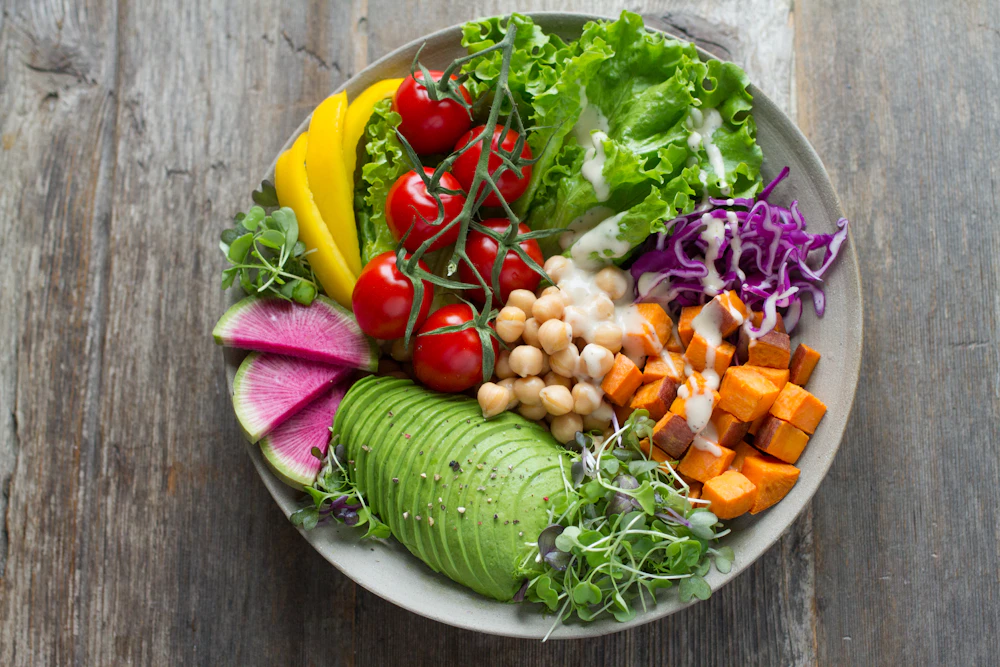
Embrace Anti-Inflammatory Foods
Fibroids are linked to chronic inflammation. Colorful vegetables, leafy greens, berries, fatty fish (salmon, sardines), and nuts all help reduce systemic inflammation. Think of every meal as a chance to turn down the internal "heat" worsening your symptoms.
Eat More Fiber
Fiber helps your body excrete excess estrogen through the digestive system. Flaxseeds, lentils, whole grains, broccoli, and Brussels sprouts are your allies. Aim for 25–35 grams per day.
Reduce Red Meat and Processed Foods
Research in the American Journal of Epidemiology found women who ate more red meat had a higher fibroid risk, while those eating more fruits and vegetables had lower risk. Swapping red meat for plant-based protein a few times a week is a simple, meaningful shift.
Limit Alcohol and Caffeine
Both burden the liver, which clears excess estrogen. When your liver is overworked, estrogen lingers — exactly what fibroids love.
2. Herbs and Supplements That May Help

Vitex (Chasteberry)
Supports progesterone production and gently regulates the pituitary gland. Many women report lighter periods and reduced cramping over several cycles.
Green Tea Extract (EGCG)
A 2013 study in the International Journal of Women's Health found women taking green tea extract for four months saw significant reduction in fibroid volume and symptom severity.
Milk Thistle
Supports liver function, helping your body clear excess estrogen more efficiently. Hormonal balance starts with a healthy liver.
Vitamin D
NIH research shows women with fibroids are more likely to be vitamin D deficient. Studies suggest vitamin D may inhibit fibroid cell growth. Ask your doctor to check your levels.
Omega-3 Fatty Acids
Found in fish oil, flaxseed oil, and walnuts — omega-3s have anti-inflammatory properties that may reduce fibroid-related pain and bloating.
Note: Always speak with your healthcare provider before starting any new supplement, especially if you're on medication or planning pregnancy.
3. Stress Management and Hormonal Health
Chronic stress is a hormonal disruptor. Excess cortisol "borrows" from progesterone — the hormone that counterbalances estrogen. The result is estrogen dominance, strongly associated with fibroid growth.
- Yoga and gentle movement — lowers cortisol, improves pelvic circulation. Try child's pose, legs-up-the-wall, and reclined butterfly.
- Mindfulness meditation — even 10 minutes daily meaningfully reduces cortisol.
- Prioritizing sleep — aim for 7–9 hours. Hormones regulate while you rest.
- Acupuncture — shows promise in reducing fibroid-related pain and heavy bleeding.
You deserve rest. You deserve restoration. Managing stress isn't a luxury — it is medicine.
→ Herbs to Calm the Mind: Getting a Grip on Anxiety
4. When to Work With Your Doctor
Natural remedies work alongside your doctor, not instead of them. ACOG recommends regular monitoring and open communication with your provider about your symptoms.
Reach out to your provider if you experience:
- Extremely heavy periods (soaking a pad or tampon every hour for several hours)
- Severe pelvic pain that interferes with daily life
- Difficulty getting pregnant or recurrent pregnancy loss
- Symptoms of anemia — fatigue, dizziness, shortness of breath
- Rapid abdominal growth or unexplained bloating
Asking for help is strength.
You Have More Power Than You Think
Every anti-inflammatory meal, every mindful breath, every supplement chosen with intention is an act of self-advocacy. Start with one change. Then another. Millions of women are walking this path — and finding real, lasting relief.
You've got this.
Medical Disclaimer: This post is for informational purposes only and does not constitute medical advice, diagnosis, or treatment. Always consult a qualified healthcare provider before changing your diet, starting supplements, or adjusting any treatment plan. Individual results may vary.